The Off-Clock Plate: Eating Well When Your Shift Has Other Ideas About Mealtimes
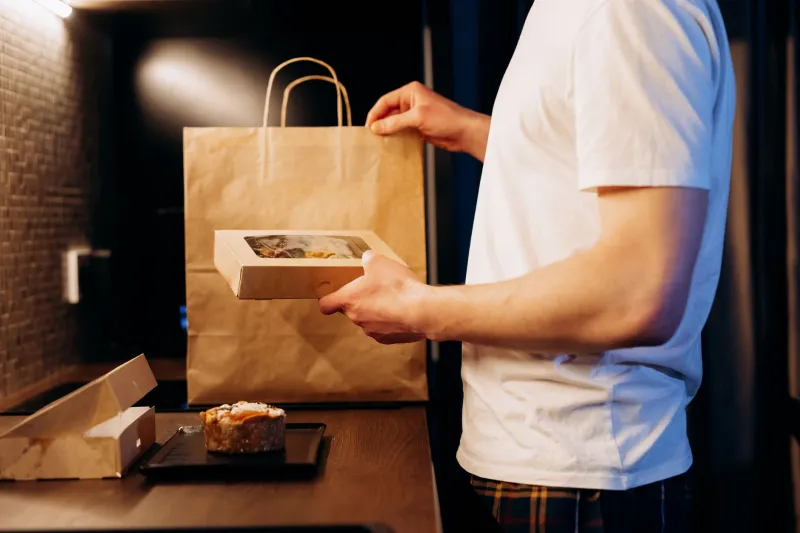
If you’ve ever eaten a bowl of pasta at 4am and called it dinner, you’re not doing food wrong. You’re doing shift work. The standard mealtime script — breakfast when you wake, lunch at noon, tea at six — assumes a day that lots of people simply don’t have. Rotas, 12-hour shifts, early starts, night buses and sleep that lands in the wrong place all make the clock a fairly useless food guide.
The aim here isn’t to force your body into a 9-to-5 plate. It’s to give it regular enough fuel, without turning every meal into a project. Think less ‘meal prep Sunday’ and more ‘a shelf, a freezer and a microwave that all pull their weight’.
Start with your wake-up, not the wall clock
When you wake at 2pm, your first meal is breakfast in the practical sense, even if it’s a jacket potato. What matters is that it’s something with fibre and a bit of protein to get you going: porridge with peanut butter and banana, eggs on toast, yoghurt with fruit and oats, beans on a crumpet. Nothing fancy. Just something that isn’t a biscuit eaten standing up.
If you’re coming home to sleep, the meal before bed is often better kept smaller and gentler. A bowl of cereal, toast and a banana, or yoghurt and fruit can be enough. A massive curry right before sleep might feel brilliant for ten minutes and then sit like a brick. You’ll learn your own limits, but lighter and earlier is usually kinder.
Two proper meals, plus bridges
Most shift workers do better with two solid meals and a few ‘bridge’ snacks, rather than chasing three perfect squares. One proper meal after you wake. One proper meal somewhere in the middle of your shift or before you go in. The rest can be snacks that stop you arriving at dinner so hungry you eat the cupboard.
Bridge snacks don’t need to be virtuous. Oatcakes and cheese, a banana, a yoghurt, boiled eggs, a handful of nuts, a flapjack, a bowl of cereal, toast with peanut butter. If it keeps you going and doesn’t leave you feeling rubbish, it counts. A bag of crisps and a coffee is not a balanced meal, but it’s also not a moral failure. It’s just not a plan you want to rely on every night.
Build a shelf that doesn’t care what time it is
A good shift-work shelf is the one you can cook from at 2am without thinking too hard. Tinned beans, chickpeas, tuna, sweetcorn, chopped tomatoes. Rice pouches, pasta, couscous, noodles. Peanut butter, oatcakes, crackers, UHT milk, stock cubes, spices, hot sauce. A tin of chickpeas, a pouch of rice and a handful of frozen spinach is dinner at an odd hour. Add yogurt or a bit of cheese and it’s better still.
Keep the shelf where you can see it. A box in the cupboard is fine, but if it’s behind the Christmas pudding and a bag of dried lentils from 2019, it won’t get used. The same goes for the fridge: if the yoghurts are at the back and the beer is at the front, you know what happens. Give the food you actually want to eat the easy reach.
The freezer is your least judgemental colleague
Frozen peas, spinach, mixed veg and berries are the quiet heroes here. So are frozen wraps, flatbreads, portioned rice, soup and leftovers frozen flat in bags. You don’t need a chest freezer and a spreadsheet. You need a few things that can go straight from freezer to microwave without a defrosting saga.
When you cook something that freezes well — chilli, lentil soup, a tray of roasted veg, a batch of rice — put one or two portions away before you eat. Not because you’re being organised in a smug way, but because future-you, coming off a late shift, will be very glad of it. Label it with the date if you’re fancy. A bit of masking tape and a marker is enough.
Microwave meals that don’t taste like defeat
The microwave gets a bad reputation because so much microwave food is sad, wet or both. But a microwave is just a tool. Use it to heat a base, steam frozen veg, poach an egg in a mug or warm a pouch of rice. The trick is to add something fresh or crunchy at the end: lemon, hot sauce, yogurt, seeds, a bit of cheese, chopped spring onion, a handful of crisps crushed over the top if that’s where you are.
A few reliable combinations:
- Rice pouch, tinned mackerel, frozen peas, lemon juice and black pepper.
- Microwave jacket potato, beans, grated cheddar and a spoon of yogurt.
- Noodles with frozen mixed veg, a boiled egg and soy sauce.
- Couscous with chopped tomatoes, chickpeas, cucumber and a dollop of hummus.
- Pasta with frozen spinach, pesto and a splash of the pasta water.
None of these need a recipe card. They’re building blocks. Once you know the formula — base, protein, veg, sauce, crunch — you can make it work with whatever is in the cupboard.
Anchor around sleep and energy, not guilt
If you’re on nights, the biggest meal often works best before your shift rather than at 3am, when heavy food can make you sluggish. But if your break is at 3am and you’re genuinely hungry, eat. A smaller meal then, with a proper meal after sleep, is a perfectly decent pattern. The point is to avoid going so long without food that you end up grazing on whatever’s in the vending machine.
Keep water where you can see it. Caffeine has a long tail, so if you’re trying to sleep at 8am, the 5am coffee might be doing you no favours. And if you wake up starving after a night shift, that’s useful information: maybe you need a bigger meal before sleep, or a snack you can reach without opening every cupboard.
A tiny plan for a rotating week
You don’t need a colour-coded rota for your food. A note on your phone with three shelf meals, two freezer meals and one fresh thing is enough. Something like: jacket potatoes, rice and tuna, noodles and veg; chilli from the freezer, soup from the freezer; eggs, yogurt, fruit. That’s a week that can bend when your shift changes.
Keep an emergency meal in the freezer that you actually like. Not a punishment lasagne. Something you’d be pleased to eat at 11pm on a Tuesday when you’ve got home and realised you have no plan at all.
Eating well on a shift that doesn’t fit the plate isn’t about perfect timing. It’s about having a few decent options within reach, eating when your body needs it, and not letting the clock make you feel like you’re failing at breakfast. Simple recipes, real routines, better days — even when the day starts at 6pm.