Lamps On, Standards Down: A Forgiving Plan for Dinner Before Six
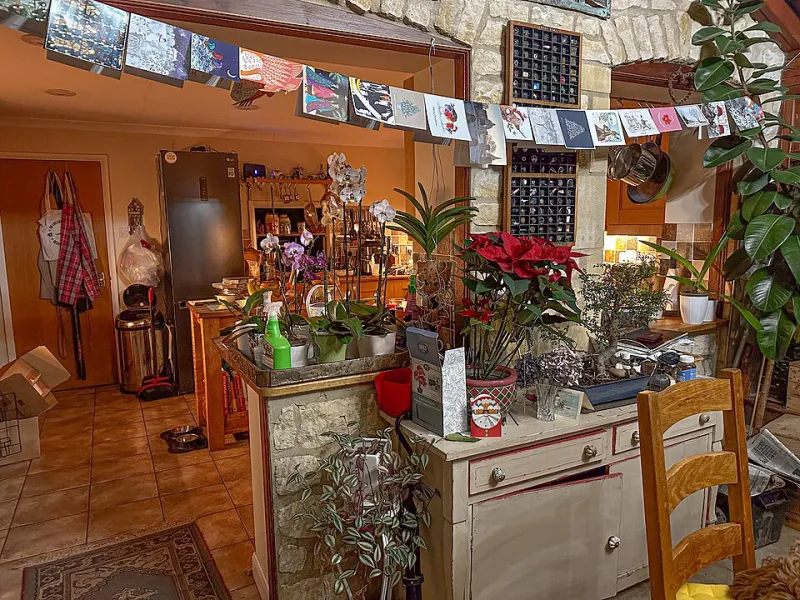
Photo: judy dean, CC BY-SA 2.0, via Wikimedia Commons
There is a specific moment in early November — somewhere around half four, maybe five — when you glance at the kitchen window and it is simply black. Not dusky. Black. And the fridge, when you open it, feels more disappointing than it did in July, even though it contains broadly the same things.
That moment is where a lot of good intentions go to die. Not because anyone has suddenly become lazy, but because the whole business of feeding yourself has quietly got harder: the shops shut before you have finished your commute, the fresh stuff in the drawer is a week past its best, and you are making the most demanding decision of the day at the exact point when you have the least left to make it with.
So this is not a piece about trying harder. It is a piece about making the evening easier to be bad at.
Dark evenings are a logistics problem, not a character flaw
In June, dinner can be a handful of leaves and a bit of fish and you barely notice you have done it. You walk past three shops on the way home in daylight. There is a bit of sun left in the tank. The whole thing is frictionless, so it feels like discipline.
In January, none of that is true. The pressure comes all at once and it lands on a tired person in a dark kitchen. Willpower is not the variable here — access and effort are. The NHS advice to take a daily vitamin D supplement from October to March exists because your body is genuinely on a different operating system for five months of the year. It seems reasonable to let your cooking be on one too.
The trick is to reduce the number of decisions between the front door and the plate. Two or three easy options, already in the house, already familiar, beats a beautiful meal plan you will abandon on Tuesday.
Build a dark-day shelf rather than a meal plan
Somewhere in your cupboard, set aside a corner that holds enough for three dinners without a shop. Not a stockpile — a shelf. Mine holds tinned tomatoes, chickpeas and lentils, a bag of orzo, tinned fish, tomato purée, stock cubes, a bag of red lentils, and a bag of frozen spinach in the freezer above it. Potatoes, onions, carrots and squash sit nearby because they keep for weeks and do not guilt-trip you from the fridge drawer.
The point of the shelf is the Thursday night that would otherwise become a takeaway. Takeaway nights are rarely about craving. They are about arriving home to a cupboard that looks empty and a brain that has stopped. A shelf with three meals' worth of insurance on it removes the excuse.
Five dinners for a night with no light and no patience
None of these are recipes so much as shapes. Swap freely.
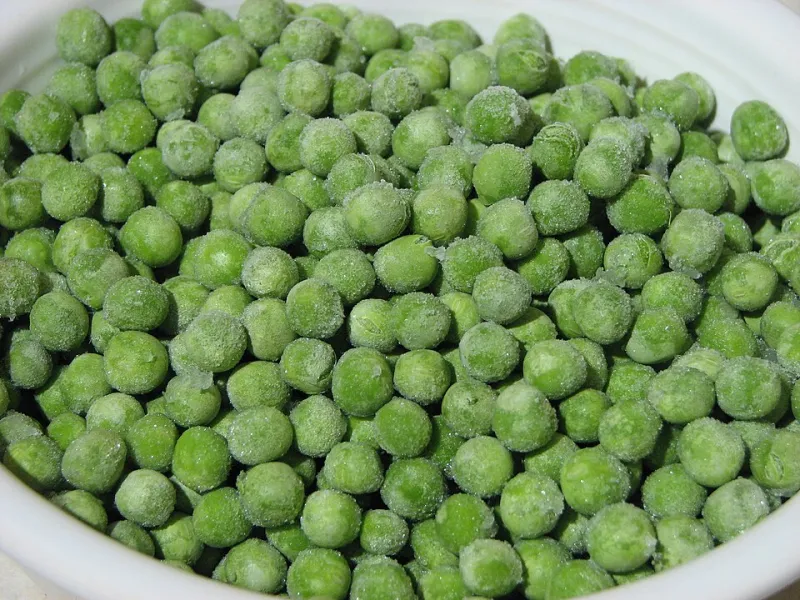
Tinned tomato and chickpea stew with orzo. One pot, twenty minutes. Soften an onion, add garlic, chilli, a spoon of purée, a tin of tomatoes, a tin of chickpeas, a stock cube and a mug of orzo. Stir the frozen spinach in at the end. This is the one to learn by heart.
Jacket potatoes, done sensibly. Microwave for eight to ten minutes, rub with oil and salt, blast in a hot oven for fifteen while you sort out beans and cheese. Crisp skin, no hour-long wait, no negotiating with a cold oven at seven.
A tray of something and a kettle of couscous. Chicken thighs, or halloumi, or a tin of chickpeas, with wedges of squash and red onion, oil, salt, cumin, forty minutes at 200C. Couscous takes five minutes and costs you nothing.
Red lentil dhal. Onion, garlic, curry powder, red lentils, a tin of tomatoes, water, twenty-five minutes, rice on the side. Cheap enough that a bad batch is not a disaster.
Whatever-is-in-the-freezer fried rice. Yesterday's rice, eggs, frozen veg, soy sauce, five minutes in a very hot pan. This is the meal that absorbs leftover ends of things all week.
The Sunday-to-Thursday rhythm: components, not meals
Batch cooking whole meals sounds efficient and almost never is. You eat the same chilli four times, resent it by Wednesday, and stop. Prepping components is a smaller job with a much better hit rate.
Sunday, forty minutes max. Cook a pot of grains — rice, barley, couscous, whatever. Roast one tray of vegetables while you are at it. Soften a big onion with garlic, put half in a jar. Boil a couple of eggs. That is it. You have not cooked dinner; you have made dinner possible four times over.
Monday: assemble. Grain, roasted veg, egg, something sharp on top.
Tuesday: one pot. The tomato and chickpea thing, or the dhal, from the shelf.
Wednesday: clear out. Frittata, fried rice, or a soup made from whatever is going soft. This is the night the fridge gets emptied rather than mourned.
Thursday: top-up or cupboard. Either a ten-minute stop at a small shop on the way home with a written list of four items, or a shelf dinner. Preferable to both: do the top-up on Wednesday, so Thursday never depends on you having energy at the end of the week.
Friday: whatever you like. That is the deal.
Eat earlier, and put a lamp on
Two small things that change the feel of the whole evening. First, eat at half six rather than half eight. The later dinner gets, the more likely it is to involve a second trip to the kitchen or a phone. Second, the overhead light in a kitchen in January is a hostile glare. Put a lamp on a worktop, or light a candle while you cook. It sounds absurd. It makes a genuinely measurable difference to how much you resent the whole operation.
The aim is decent, not perfect
The bar for a Tuesday in January is a warm plate with some vegetables on it and enough of it. Toast with tinned fish counts. A big soup counts. Cereal counts once a week, and anyone who tells you otherwise has more energy than you and should be ignored.
The only real failure is the night you do not eat, or the night a bare cupboard costs you twenty-five quid on a delivery app. Everything else is fine. Lower the standard, keep the shelf stocked, and let the dark months be a bit boring on purpose.