The Cold Truth: Why Frozen Peas Deserve a Place in Your Everyday Cooking
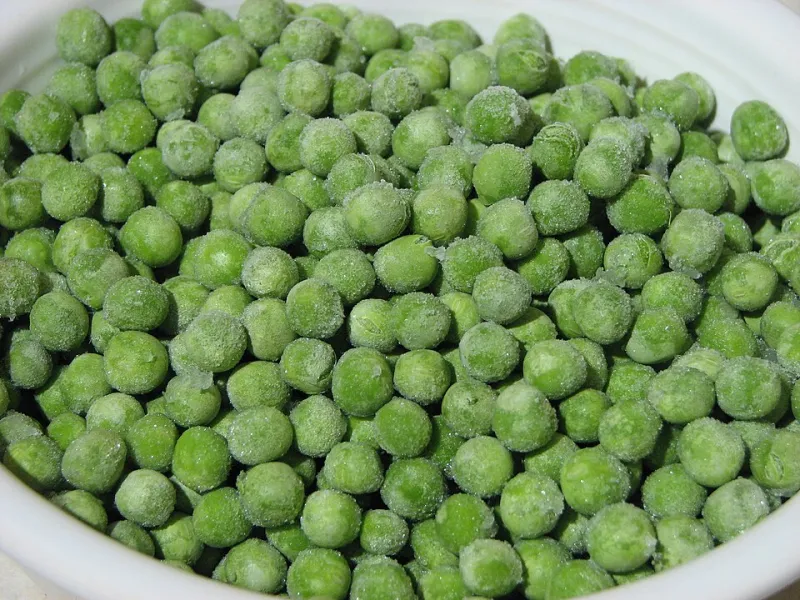
Photo: Photo by and (c) 2007 Jina Lee, CC BY-SA 3.0, via Wikimedia Commons
Frozen peas have an image problem. They are the bag at the back of the freezer, the fallback, the thing you add to a shepherd's pie when you cannot be bothered to chop anything. But walk through any UK supermarket freezer aisle and you will find a quiet toolkit for faster, cheaper, less wasteful cooking: peas, sweetcorn, spinach, berries, fish fillets, edamame, chopped vegetables and all the bits that make a Tuesday dinner possible. This is not a cop-out. It is common sense.
At Eat Live, we are not here to pretend that a handful of frozen peas will fix your life. But we are here to argue that convenience has been unfairly lumped in with laziness. If frozen vegetables help you eat more vegetables on a wet Wednesday in November, they are doing exactly what they should.
Frozen is a strategy, not a shortcut
There is a quiet snobbery around the freezer. Fresh is assumed to be better, frozen is assumed to be a compromise, and anyone who builds a meal around a bag of frozen spinach is somehow not trying hard enough. That story does not survive much scrutiny.
Frozen vegetables are usually picked and frozen close to harvest, which helps preserve their texture and nutrient content. Fresh produce is brilliant, but 'fresh' can also mean it has spent days in storage and travel before it reaches your kitchen. Neither option is automatically superior. What matters is what actually ends up on your plate.
And that is the real point. A bag of frozen peas is not competing with a perfect farmers' market haul. It is competing with nothing at all, or with a takeaway, or with another bowl of cereal. If the freezer gets you from 'there is no food in' to 'dinner is happening', it has earned its place.
The cost-of-living maths nobody puts on a poster
Frozen vegetables are often cheaper per portion than fresh ones, and they are far less likely to wilt in the fridge drawer and get thrown out. A bag of frozen peas can go into pasta, soup, fish pie, curry and a quick omelette. Frozen spinach can be stirred into dal, soup or a traybake. Frozen berries can go into porridge, yoghurt or a crumble without any of the sadness of mouldy fruit.
This is not about pretending that everyone can eat well for pennies. Food costs are real, and so is the time pressure on a normal working day. But the freezer aisle is one of the few places in the supermarket where you can buy flexibility. You can use what you need and leave the rest for another day. That matters in a country where we waste a staggering amount of food at home.
Add a few store-cupboard staples and you have a proper pantry: tinned tomatoes, beans, lentils, rice, pasta, stock cubes, herbs and spices. The freezer and the cupboard together are more powerful than either one alone.
Myth-busting: the freezer aisle edition
Myth one: frozen vegetables are less nutritious than fresh. Not necessarily. Freezing preserves many nutrients, and frozen produce can be just as useful in a balanced diet. Fresh food that has been sitting in the fridge for a week is not automatically the winner.
Myth two: frozen food is only for emergencies. Frozen peas are not an emergency. They are an ingredient. So are frozen spinach, sweetcorn, edamame and berries.
Myth three: you have to defrost everything first. Peas, sweetcorn and spinach can often go straight into a hot pan, soup or pasta water. Check the packet for anything that needs longer cooking, but do not make extra work for yourself.
Myth four: frozen fruit is only for smoothies. Stir frozen berries into porridge, yoghurt or a crumble. They are also excellent in a quick compote.
Myth five: frozen meals are always unhealthy. Some are, some are not. Check the label for added salt and sugar, and use frozen plain vegetables and fruit as building blocks rather than assuming every frozen product is the same.
Five fast meals that start in the freezer
Pea, spinach and pesto pasta. Boil pasta, add frozen peas and spinach for the last couple of minutes, then drain and stir through pesto and a squeeze of lemon. Dinner in the time it takes to answer a few emails.
Freezer-veg noodles. Frozen mixed vegetables, noodles, soy sauce and an egg. Fry, toss and eat. This is the kind of meal that makes a fridge look emptier than it is.
Berry and oat porridge. Put frozen berries into porridge as it cooks. Top with nuts or seeds. It tastes like a weekend breakfast but takes five minutes.
Fish fillets with peas and potatoes. Frozen fish fillets, frozen peas and potatoes. Bake the fish, boil the potatoes, and add peas at the end. A proper plate with very little planning.
Tomato, lentil and spinach soup. Tinned tomatoes, red lentils, stock and frozen spinach. Simmer until the lentils are soft. Freeze the leftovers in portions for the days when you have nothing left to give.
How to shop the freezer aisle without overbuying
A freezer is only useful if you can find things in it. Keep a rough list on your phone of what is in there. Use the oldest bags first. Label anything you decant. Do not refreeze food that has already been thawed. And be honest about what you will actually use.
A sensible starter kit for a UK kitchen might include frozen peas, sweetcorn, spinach, mixed berries, a bag of mixed vegetables, fish fillets and perhaps some chopped onions or peppers if you know you will use them. Add frozen edamame if you like it. Add frozen chips if they make dinner easier. There is no purity test here.
Check labels on frozen ready meals and sauces, because salt and sugar can creep in. But plain frozen vegetables and fruit are about as simple as food gets.
A small defence of convenience
Convenience is not a dirty word. It is what allows a decent meal to happen on a day when you are tired, busy and not in the mood to chop an onion. Frozen peas are not a cop-out. They are a vegetable. Frozen spinach is not a compromise. It is dinner waiting to happen.
Better days are not built on perfect cooking. They are built on ordinary meals that actually get made. So keep a bag of peas in the freezer, a tin of tomatoes in the cupboard and a little patience for yourself on the days when convenience is the most sensible choice on the menu.