Ladle, Season, Repeat: Winter Lunches That Earn Their Place at Noon
Winter lunch has a reputation problem. Somewhere between the office microwave queue and the phrase 'virtuous bowl', soup became the thing you eat when you are being good rather than the thing you actually fancy. That is a shame, because a decent pot of soup is one of the most forgiving lunches in the British kitchen. It uses up the bendy carrot, the last leek, the half bag of lentils. It reheats. It travels. And on a grey Tuesday in November, it can be genuinely comforting without any performance of healthiness.
The trick is not a rigid recipe. It is a rough formula: something soft, something starchy or beany, something savoury, and something fresh on top. Get those four notes and you can improvise all season without opening a cookbook.
A formula, not a recipe
Think of soup as four layers. The base gives you sweetness and body. The bulk gives you staying power. The savoury layer stops it tasting like boiled vegetables. The topping gives you texture and a reason to look forward to it. You do not need all four to be fancy. You just need them to be present.
The proportions are loose: roughly one onion or leek, 600g to 800g of vegetables, 100g to 150g of something starchy or beany, and 1 to 1.5 litres of stock. That makes four generous lunches. If it turns out too thick, add water. Too thin, simmer it down or add a handful of red lentils. Soup is not a exam. It is a saucepan.
Start soft, then build body
Begin with onion, leek, celery or a mix, softened in a little oil or butter with a pinch of salt. Do not rush this. Soft alliums give the soup a sweet foundation, and salt at this stage seasons the whole pot. Add garlic if you have it, but do not stress if you do not.
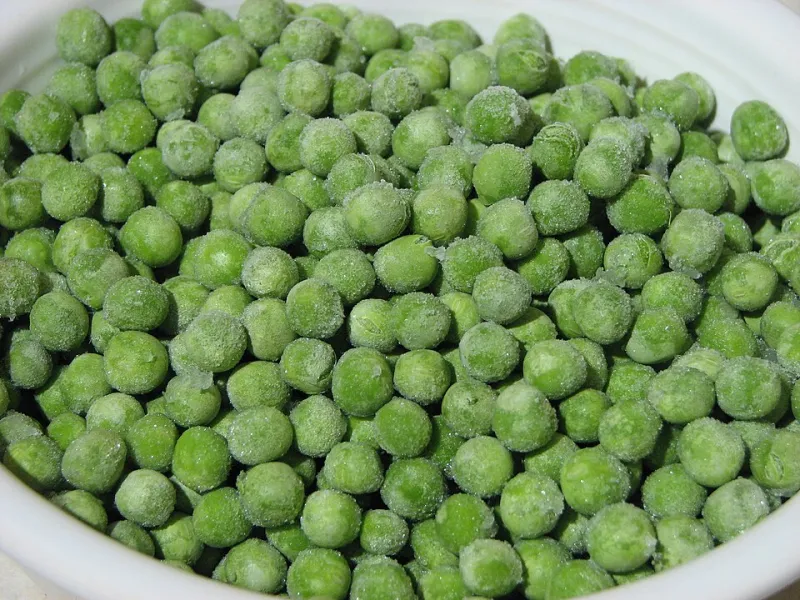
Then add your vegetables and your starchy element. The starchy element is what makes soup lunch rather than a drink: potatoes, butter beans, chickpeas, pearl barley, red lentils, split peas, pasta, rice. Red lentils are especially useful because they collapse and thicken the pot without any blending. Butter beans give a creamier result. Pearl barley gives chew. Frozen peas are a legitimate shortcut and should not be treated as a lesser vegetable.
Savoury depth is the difference
This is where soup stops tasting like penance. Stock is the obvious starting point, but a spoon of tomato purée cooked out for a minute, a teaspoon of mustard, a little miso, a splash of soy sauce, or a pinch of smoked paprika can all add the savoury note that makes a bowl satisfying. Herbs and spices should go in early if they are ground, and late if they are fresh.
Taste before you serve. Add salt, pepper, lemon juice or a splash of vinegar. A soup that tastes flat usually needs acid, not more salt. This is the single most useful habit in winter cooking: taste, adjust, taste again.
The topping is not optional
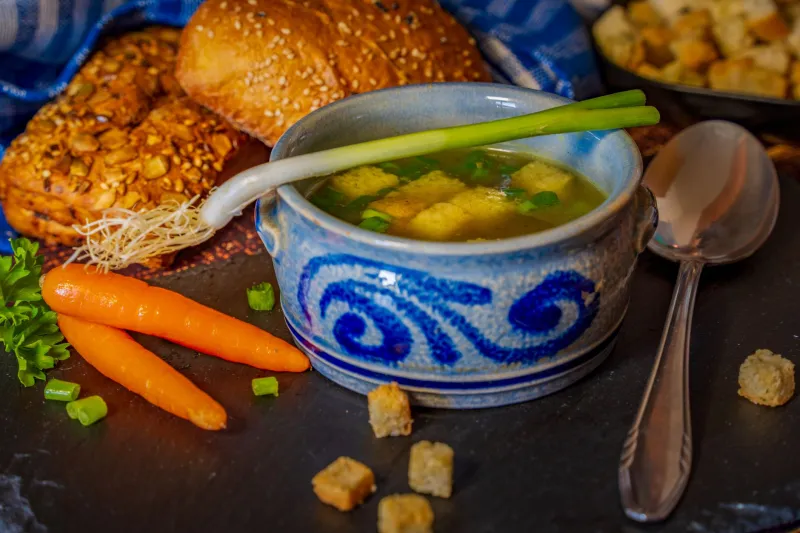
A bowl of soup needs a contrast. That can be as simple as toasted bread, a spoon of natural yoghurt, crumbled feta, grated cheddar, pumpkin seeds, chopped chives, a swirl of chilli oil, or a handful of fresh herbs. It can also be the thing that makes leftovers feel deliberate rather than depleted. Keep toppings separate if you are taking lunch to work, then add them just before eating.
Five winter combinations that work
-
Leek, potato and butter bean with mustard. Soften leeks, add potatoes and a tin of butter beans, cover with stock, simmer until tender. Stir in a teaspoon of wholegrain mustard at the end. Top with chives or a little grated cheddar.
-
Carrot, red lentil and cumin. Fry onion and carrot, add cumin and a pinch of chilli, then red lentils and stock. Simmer until collapsed. Finish with lemon juice and a spoon of yoghurt with chopped coriander.
-
Savoy cabbage, bacon and pearl barley. Use bacon sparingly for flavour, or leave it out and add smoked paprika. Add shredded Savoy cabbage near the end so it keeps some bite. Pearl barley makes it properly filling.
-
Tomato, butter bean and smoked paprika. Use a tin of tomatoes, a tin of butter beans and a good pinch of smoked paprika. Simmer until thick. Top with toasted bread and a little olive oil. This one freezes well.
-
Frozen pea, potato and mint. Soften onion, add potato and stock, simmer until tender, then add frozen peas for the last few minutes. Blend partly or leave chunky. Stir through chopped mint and crumble feta on top.
Batch it, cool it, reheat it properly
Soup is only a good routine if it is safe and actually nice on day three. Cool leftovers quickly, refrigerate within two hours, and keep for up to three days. Reheat until piping hot, stirring so it heats evenly. If you are freezing portions, leave a little space at the top of the container and label it with the date. Toppings go on after reheating, not before.
A pot made on Sunday can cover Monday to Wednesday lunches. That is not meal prep in the Instagram sense. It is just having something in the fridge that makes the midday decision easier. And that is the real point: soup is not a punishment for wanting a nice lunch. It is a practical way to make one happen.
Make it a winter routine
Keep the formula somewhere visible, shop for the base and the bulk, and let the toppings change with what you have. One week it is cheddar and seeds. The next it is yoghurt and herbs. The soup stays the same shape, but lunch does not get boring.
That is a better winter lunch routine than resolve. Resolve runs out by Wednesday. A pot of soup in the fridge tends to last a little longer.