The Wednesday-Proof Lunch: A Jar That Doesn't Go Sad
Most jar salads are built for the photograph, not the fridge. They look wonderful on Sunday night, then by Tuesday they have turned into a swamp with a sad leaf on top. That is not a lunch routine. That is a craft project with a use-by date.
The useful version is much less fussy. It is a jar you can build from a normal supermarket shop, keep in the fridge, and eat on a short break without needing to assemble a second meal. The aim is not pretty layers. The aim is lunch that is still worth eating when Wednesday arrives and your brain has already left the building.
Start with structure, not styling
A lunch jar works when it has four jobs: something sturdy at the bottom, something filling, something with protein, and a dressing that stays out of the way. That is it. You do not need a collection of matching glass jars or a spiraliser. A clean jar with a lid, or a decent plastic tub, is enough.
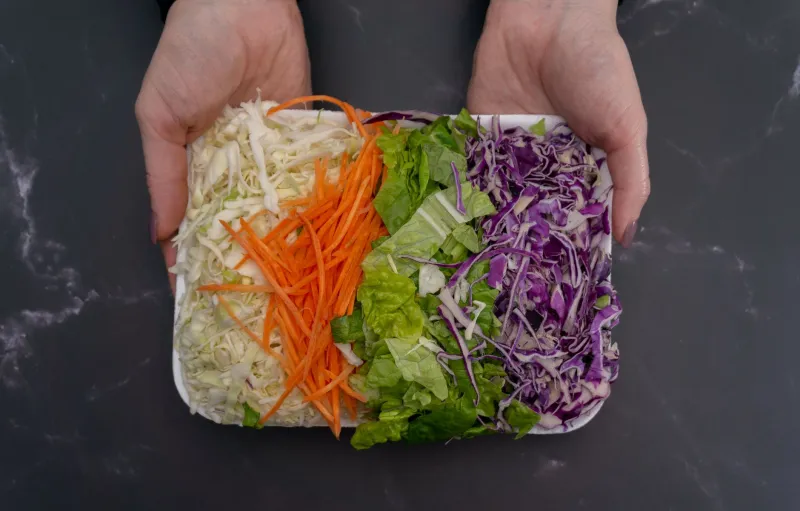
Sturdy veg does the heavy lifting. Grated carrot, shredded white or red cabbage, thinly sliced peppers and drained jarred roasted peppers all hold up well. They do not collapse into water the moment they meet salt. Cucumber and tomatoes are lovely, but they are wet ingredients. If you want them, keep them separate or add them on the day.
For the filling part, use something you already trust: a microwave grain pouch, leftover rice cooled properly, couscous, or small pasta. For protein, think tinned tuna, chickpeas, mixed beans, boiled eggs kept whole, feta, cheddar, or leftover roast chicken. This is not a restaurant menu. It is a packed lunch with a bit of planning behind it.
The formula in plain English
Put the sturdy veg in first. Add the grain or carb. Add the protein. Keep the dressing in a small lidded pot or tiny jam jar beside it, not poured over the top. If you are using leaves, pack them separately or put them in a second bag. That one move is the difference between a lunch that reaches midweek and a lunch that needs rescuing by Tuesday lunchtime.
At work, tip the jar into a bowl or wide tub, add the dressing, and toss. If you are eating straight from the jar, add the dressing in small amounts and shake gently. Shaking a full jar with the lid on is how you end up wearing lunch.
Texture is the whole game
A jar lunch should have crunch, softness and something salty or sharp. Without that, it feels like eating a packed lunch from a train buffet. Grated carrot gives sweetness and bite. Cabbage gives crunch that lasts. Chickpeas give a little chalkiness unless they are dressed well. Feta gives salt. A spoon of yogurt in the dressing gives creaminess without making everything heavy.
This is also why the dressing stays separate. Oil and acid will soften veg over time, and a wet jar gets unappetising fast. Keep the dressing out until you are ready to eat and the texture stays closer to what you intended. It is not about being precious. It is about not eating a soggy lunch you resent.
Fridge safety without the lecture
Use a clean jar or tub, and make sure cooked ingredients are cooled before they go in. Do not pack hot grains into a sealed jar and put them straight in the fridge. Cool them quickly in a shallow container first, then build the jar. Keep the fridge at the right temperature, and treat the jar like any other prepared food: eat it within three days, and use your nose and eyes. If it smells wrong or looks slimy, bin it. No heroics.
Boiled eggs are easiest kept whole and peeled on the day. Tuna should be drained. Beans and chickpeas should be rinsed and drained. If you are using leftover chicken, make sure it was cooled and stored properly in the first place. This is not complicated, but it is worth saying plainly: a jar is not a force field. It is just a container.
Useful prep versus Instagram theatre
There is a version of lunch prep that takes an hour and leaves you with six jars, three dressings and a kitchen that looks like a small food studio. It can be fun. It is not the only way, and it is not a moral standard. The useful version takes about fifteen minutes: grate some carrot, shred some cabbage, open a grain pouch, drain a tin, make one dressing, and put it in the fridge where you will actually see it.
The fridge-door jar is a good idea because it is visible. If your jar gets pushed to the back behind the milk, it is not a routine. It is a future science experiment. Put it at eye level or on the door shelf if it fits, and let it be the first thing you see when you are hungry and indecisive.
Three combinations for a short lunch break
-
Carrot, cabbage and tuna jar. Grated carrot, shredded white cabbage, a microwave brown rice pouch, drained tuna, and a dressing of lemon juice, olive oil and a spoon of natural yogurt. Add black pepper at the last minute. Crunchy, filling and cheap.
-
Couscous, chickpea and feta jar. Wholewheat couscous or a grain pouch, rinsed chickpeas, drained roasted red peppers, shredded red cabbage and crumbled feta. Dressing: olive oil, red wine vinegar and a little mustard. Good with a handful of leaves kept separate.
-
Rice, bean and cheddar jar. Cooked wholegrain rice, mixed beans, grated carrot, thinly sliced pepper and mature cheddar. Dressing: natural yogurt, a little curry powder and a squeeze of lemon. It sounds odd until you try it. Then it becomes a regular.
None of these need a recipe card. They are combinations, not commandments. Swap the protein, change the grain, use what is in the cupboard. The formula is the point.
The Wednesday test
A good lunch jar is not the one that looks best on Sunday. It is the one you are still happy to open on Wednesday, when you are tired, hungry and not in the mood to make a decision. Build it sturdy, keep the dressing separate, and give yourself one less thing to think about at noon.