Skip the Perimeter Sermon: Building a Weekly Shop That Actually Works
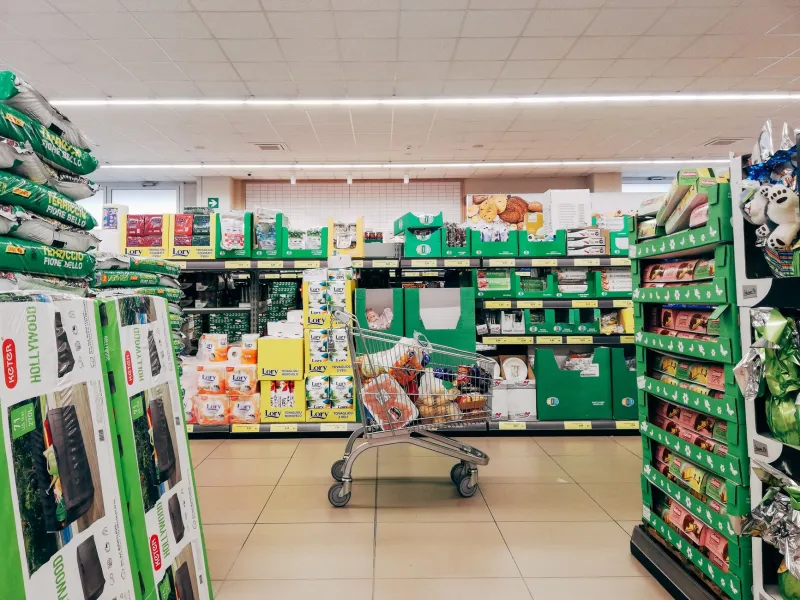
There is a piece of supermarket advice that refuses to die: shop the perimeter and avoid the middle aisles. The idea is neat. Fresh fruit and veg around one edge, meat and fish along another, dairy somewhere nearby, and all the supposed trouble lurking in the centre. But if you have ever done a weekly shop in a British supermarket, you will know the map is not that tidy.
In plenty of UK stores, the freezer section is not on the perimeter. Tinned beans, chopped tomatoes, porridge oats, rice and wholemeal pasta are in the middle. Budget staples are scattered wherever the store decides they fit. The perimeter rule sounds healthy, but it often ignores the very things that make everyday eating easier: frozen vegetables, tinned fish, lentils, oats and a bag of value peas that can rescue dinner at 6.40pm.
So instead of treating the shop as a moral obstacle course, it helps to build a route that matches real life. Not a perfect basket. A useful one.
Why the perimeter advice falls apart in a British store
The perimeter rule works better in theory than in a busy Tesco on a Saturday. It assumes fresh food is always the best choice and everything else is a compromise. That is not how cooking works. A tin of tomatoes is not a failure next to a fresh tomato. A bag of frozen spinach is not a sad substitute for a wilting bag of salad. They do different jobs.
The other problem is layout. Stores want you to walk past things. The bakery might be near the entrance, but the milk could be at the back. The frozen aisle might sit right in the middle. If you stick rigidly to the edges, you can end up with a trolley full of fresh items that need using up by Wednesday, and no backup plan for Thursday.
A smarter approach is to shop in a sequence that protects the fresh food and fills the gaps that actually cause trouble during the week. Think of it as a route, not a rule.
A trolley route that follows real life
1. Start with the cupboard gaps, not the entrance
Before you go, spend two minutes looking at what you already have. Not a full inventory. Just the basics: pasta, rice, oats, tins, frozen veg, stock cubes, oil. Then decide what is missing. This is the bit that saves money and wasted food. If you already have three bags of lentils, you do not need a fourth.
When you get to the store, head for the long-life basics first if the layout allows it. Pick up the things that will not be ruined by an hour in the trolley: tinned tomatoes, chickpeas, kidney beans, sweetcorn, frozen peas, frozen berries, porridge oats, wholemeal pasta, rice, maybe a jar of pesto or a tub of tomato purée. These are not glamorous items, but they are the ones that turn a few fresh ingredients into a meal.
This is also where own-brand comes into its own. A supermarket’s basic tinned tomatoes or frozen peas are often perfectly good. You do not need to buy the most expensive version of a staple to eat well. That is not lowering your standards. It is spending where it matters.
2. Do fresh in two passes
Fresh food should come later in the route so it is not sitting under a bag of frozen chips while you wander the aisles. But it helps to think in two groups: fresh food for the next few days, and fresh food that can hold its own until the end of the week.
For the next few days, buy what you genuinely plan to cook. A bag of spinach, some mushrooms, a couple of peppers, a punnet of tomatoes. For the back end of the week, lean on things with a bit more staying power: carrots, cabbage, onions, potatoes, apples, oranges. These are the quiet heroes of a British weekly shop. They do not need a recipe plan to justify themselves.
And yes, frozen and tinned vegetables count as fresh food in the practical sense. They are not a consolation prize. If the choice is between a bag of salad that will go sloppy in the drawer and a bag of frozen mixed veg that will be used on Thursday, the freezer wins.
3. Treat the freezer as a shortcut, not a confession
The freezer aisle is where the perimeter advice really shows its age. Frozen peas, spinach, sweetcorn, berries and fish fillets are useful, affordable and often just as nutritious as their fresh counterparts. They are not a sign that you have given up. They are a sign that you have a Thursday.
A good weekly shop might include a bag of frozen peas, a bag of frozen berries for porridge, and a box of frozen fish fingers or veggie burgers for the nights when cooking feels like a stretch. That is not a failure of meal planning. That is meal planning with a cushion.
4. Use the middle aisles with a short list
The middle of the supermarket is not a moral wasteland. It is where you find olive oil, herbs, spices, stock, vinegar, mustard, peanut butter, tinned fish, whole grains and plenty of budget-friendly basics. The trick is to go in with a short list rather than a vague hope that inspiration will strike.
A useful middle-aisle list might be: tinned tomatoes, chickpeas, tuna or sardines, oats, rice, wholemeal pasta, a jar of passata, stock cubes, paprika, cumin, and a bag of lentils. That is not a boring list. That is the backbone of about a dozen weeknight meals.
What you do not need is a trolley full of snack multipacks and novelty sauces just because they were on offer. Buy the things you will actually use. A bargain you never open is not a bargain.
The aisle shortcuts worth keeping
If you want a few genuinely helpful shortcuts, start here.
- Frozen vegetables: peas, spinach, sweetcorn and mixed veg. Fast, cheap and hard to waste.
- Tinned pulses: chickpeas, lentils, kidney beans and black beans. Rinse them and they are ready for salads, soups, pasta and traybakes.
- Tinned fish: tuna, sardines and mackerel. Useful for toast, pasta, jacket potatoes and quick lunches.
- Whole grains: brown rice, wholemeal pasta, oats and barley. Buy the ones you like eating, not the ones you think you should eat.
- Own-brand staples: tomatoes, beans, oats, frozen veg and dairy basics are often fine. Spend the difference on the fresh things you actually enjoy.
- Pre-prepared veg: a bag of stir-fry mix or a tub of chopped onions is not cheating. It is removing a small barrier between you and dinner.
What to ignore
Ignore the idea that a healthy shop has to look a certain way. A trolley with frozen peas, own-brand tomatoes, a cabbage, a bag of apples and a box of eggs is not less respectable than one filled with expensive fresh produce that will not get used. The best weekly shop is the one that makes the next seven days easier.
Also ignore the temptation to buy for the person you think you should be. If you know you will not cook a whole aubergine on a Tuesday, do not buy it. If you will realistically make porridge, buy oats. If you will realistically eat toast, buy good bread and something to put on it. Honesty is a better shopping strategy than aspiration.
The route in one line
Start with the cupboard gaps, pick up the frozen and tinned backup, then choose fresh food for the next few days and the end of the week. Use the middle aisles for the basics that hold everything together, and leave the rest.
The perimeter is not a rule. It is just a line on the floor. Your trolley route should follow your actual week, not a slogan. And if that means frozen peas and a tin of chickpeas make it into the basket, good. That is not a compromise. That is dinner.