A Kitchen for Weeks That Won't Sit Still
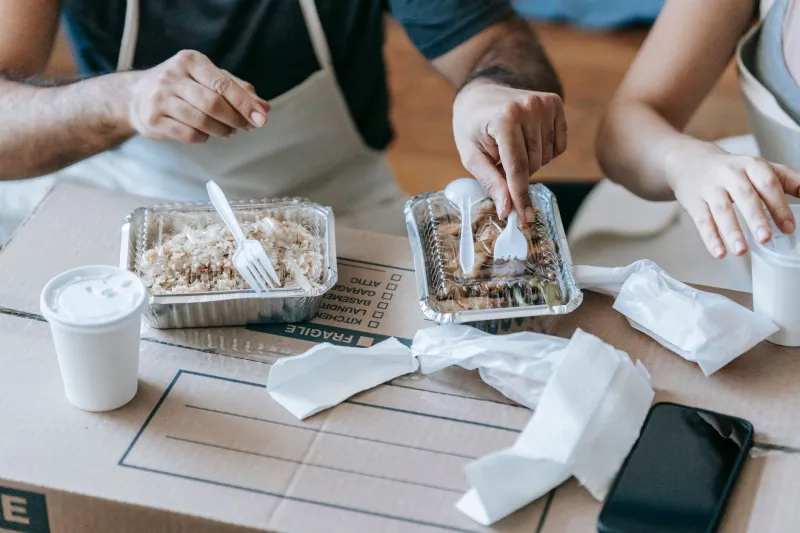
Most food advice assumes the week has a shape: shop on Saturday, prep on Sunday, cook Monday to Thursday, collapse on Friday. If you work nights, split shifts, early starts or a rota that changes with two days' notice, that shape can feel like someone else's life. The answer isn't to become a better planner. It's to build a kitchen that doesn't need the week to behave.
This isn't about batch-cooking twelve identical meals in little boxes. It's about leaving yourself a few bendy pieces that can become dinner at 6pm or lunch at 3am, depending on what the rota has done to you. Nurses, bar staff, drivers, care workers, warehouse teams — anyone whose week refuses to sit still — can use the same loose setup.
Start With a Base, Not a Menu
A base is the calm bit of the kitchen. It's the rice, potatoes, pasta, couscous or flatbread that can take on whatever else you've got. Cook one you actually like, in a quantity that suits your fridge and your appetite. Not a mountain. Not a sad little portion for one. Somewhere in between.
The point is that the base is already done when you walk in late, tired or not quite sure whether you're having breakfast or dinner. You're not starting from nothing; you're finishing something. A tray of roast potatoes, a pot of rice or a bowl of buttered couscous in the fridge is not a meal on its own, but it removes the bit of cooking that asks the most from you.
Keep it plain. You can season later. A base that's already got a strong opinion — heavily spiced, drowned in sauce — is harder to bend around whatever protein or veg you find. Plain rice can go with a tin of fish, a fried egg, leftover chicken or a spoon of yoghurt. A jacket potato can go sweet, savoury, cheesy or just buttery. That flexibility is the whole point.
Two Sauces, Not Twelve
A sauce is a flavour switch. It shouldn't be a project. Keep two in the fridge or cupboard: one bright and one warm. The bright one might be yoghurt with lemon and salt, or a jar of something sharp and herby. The warm one might be a chilli oil, a peanut butter and soy mix, or a decent shop-bought sauce you genuinely like. Shop-bought is fine. This is a kitchen system, not a personality test.
With one base and two sauces, the same ingredients can taste like two different meals. Cold rice with yoghurt, cucumber and tuna is a different thing from hot rice with chilli oil, peas and an egg. Same base. Same tired person. Different dinner.
Don't overbuild this. If you make a sauce and it's average, use it anyway and move on. The goal is to make the fridge feel less like a riddle and more like a place where something can happen.
The Freezer Is a Filing Cabinet
The freezer works best when it's treated like a filing cabinet for future you, not a museum of good intentions. Frozen peas, sweetcorn, spinach, chopped onions, bread rolls, portions of the base, a bag of prawns, a tin of fish kept nearby — these are all small things that stop a late shift turning into a takeaway decision made in a bad mood.
Freeze components, not dreams. A full lasagne you spent three hours on is lovely in theory, but a bag of cooked rice portions and a box of frozen spinach will get used on a Wednesday when you're too tired to think. Label things with a marker if you're the sort of person who needs to know. Or don't, and accept the occasional mystery bag. The freezer should reduce friction, not add admin.
It also helps to keep one 'emergency meal' that needs no chopping: soup, a bean chilli, a portion of curry, a decent frozen pizza with a handful of peas on the side. Not every meal needs to be a lesson in nutrition. Sometimes it just needs to be food at 11pm.
A Lunch That Doesn't Know What Time It Is
Shift lunches go wrong when they assume a lunchtime. A packed lunch that's only nice at noon is a problem if your break lands at 3pm or 3am. Build something that can handle a delay: a base, a protein, something crunchy, and a sauce kept separate until you eat.
Couscous with chickpeas, cucumber, feta and a little pot of lemon yoghurt works cold. Rice with leftover chicken, frozen peas rinsed under hot water and chilli oil works warm. A flask of soup with a bread roll works at 3am when you don't want anything complicated. The trick is not to make it precious. If it gets eaten at a strange hour, that's the system working.
If you have access to a microwave, use it. If you don't, choose things that don't need one. That might mean a decent sandwich, a pasta salad that isn't too dry, or a container of leftovers you're happy to eat cold. There's no prize for suffering through a lunch you don't want.
The Small Reset That Keeps It Going
You don't need a Sunday. You need ten minutes when you can find them. Before you go to bed, or after you've eaten, do one small thing: wipe the counter, put the base into a container, check there's something in the freezer that can become dinner, set out a lunch box if tomorrow is a long one.
This is not about becoming a person with a perfectly organised fridge. It's about removing one decision from a day that already has too many. A kitchen that's roughly ready is kinder than a kitchen that's perfectly planned but only works on a quiet week.
And if the week falls apart? If you end up buying chips on the way home or eating cereal for tea? Fine. A flexible kitchen should absorb that, not collapse because of it. The next meal is the next meal. You can start again at 3pm or 3am, with whatever's in the fridge.